
In October of 2024, the independent U.S. arm of global consulting giant Baker Tilly acquired an automation services company based in Reston, Va. called Alirrium. As a global consultancy, delivering digital transformation in the form of process automation had become increasingly important to a wide range of Baker Tilly’s clients, especially in the healthcare field. The acquisition immediately bolstered its capability in this area, allowing Baker Tilly to leverage Alirrium’s specialized knowledge and innovative solutions to address complex challenges in healthcare automation with greater efficiency and expertise.
Healthcare systems face numerous challenges that make automation essential. Manual processes are time-consuming and prone to human error, which can affect patient care. High transaction volumes require efficient management to avoid bottlenecks and delays. Additionally, complex compliance standards demand meticulous attention to detail, increasing the administrative burden.
Baker Tilly’s customers on both the provider side and the insurance side were increasingly looking for assistance deploying and scaling digital workforces to address those hurdles. The company leaned on the people and partners it inherited in the deal to address the growing need in the space.
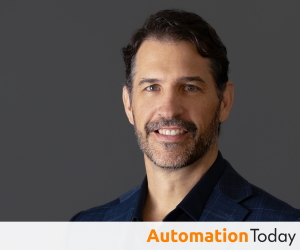
As part of the acquisition agreement, Alirrium co-founder and CEO Dave Hickey joined as a principal of the firm to drive automation projects across the private and public sectors. While Hickey spearheaded projects across a diverse array of industries across both sectors, his roots in the healthcare space run deep. Before he served in the United States Army, he received an undergraduate degree in health care administration/management. As an Army Captain in the Medical Service Corps, Hickey specialized in medical logistics, providing support for healthcare missions worldwide.
“I got introduced to the complexity of IT systems more than 30 years ago through the lens of the military healthcare system,” he says. “My last assignment was at Womack Army Medical Center where I supported the patient administration department and was put in charge of a new application that capture all of the procedure and diagnostic codes related to every patient interaction though the use of printed bubble sheets and scanners.”
And while consulting for public-sector organizations regarding supply chain and logistics optimization dominated his post-military career, the background in healthcare has given Hickey and Baker Tilly much-needed expertise. The firm, he notes, is “all in” with helping to drive efficiencies in the healthcare sector with the use of intelligent automation.
Maximizing Revenue
A recent report noted that AI and intelligent automation were cited as the most important investment priority for revenue cycle management by healthcare providers. Hospitals and health systems are struggling with staffing shortages, and because providers traditionally threw human staff at the problem, healthcare leaders are turning to automation to improve revenue cycle operations and minimize uncollected revenue.
Hickey notes that while automating revenue cycle management is often a starting point for healthcare providers, there is also significant potential to leverage automation throughout the entire healthcare system. Other key areas include patient scheduling, electronic health records management, supply chain logistics, and patient care coordination.
“The accounts receivable cycle for companies in this sector is incredibly complex due to the details related to proper coding of every patient interaction and the involvement of numerous insurers providers. Accounting for the difference between billed amounts and received payments poses significant challenges from both administrative and data perspectives.”
Hickey notes that long lead times between diagnosis, insurance approval, treatment, billing, and payment add complexity. Automating the process starts with understanding clients’ issues and current methods. Healthcare providers partnering with Baker Tilly typically begin automation with small steps, often achieving simple builds within six weeks. Clients usually see quick improvement in KPIs related to healthcare provider revenue cycle management.
“Time saved often drives automation,” Hickey says. “However, providers also focus on metrics such as Time to Reimbursement, Denial Rate, Reimbursement Increase Rate, and Uncompensated Care Rate to measure effectiveness.” Improvements in these areas can significantly boost a hospital’s revenue.
False Starts
Baker Tilly frequently assists organizations beginning their automation journey. However, Hickey noted that many firms mistakenly think low-code or no-code tools simplify digital workforce management. This overconfidence results in automations that break often and are hard to maintain.
“Often, companies get drawn into the low-code aspect of intelligent automation, believing that anyone can build automations,” he explains. “However, the reality is that creating robust, enterprise-grade automations requires a deep understanding of best practices and a mature automation operating model.”
Without this foundation, Hickey says, organizations may experience high failure rates and need to rearchitect their automations to achieve resilience.
“Automation created by a well-meaning team member can place significant pressure on your maintenance operations,” he observes. “As the number of unstable builds increases, it becomes harder to manage. This situation often shakes customers’ confidence in the program, making the automations appear unreliable.”
Healthcare providers, traditionally hesitant to adopt new technologies, must embrace automation in today’s competitive environment. With the right partners and expertise, even tech-averse industries can create and implement an intelligent digital workforce that significantly impacts business operations. By doing so, they can enhance efficiency, improve patient care, and secure their place in a rapidly evolving market.
“Intelligent automation has moved out of the early adopter stage,” he says. “This technology is rapidly being adopted across every industry and its capabilities are advancing rapidly.”